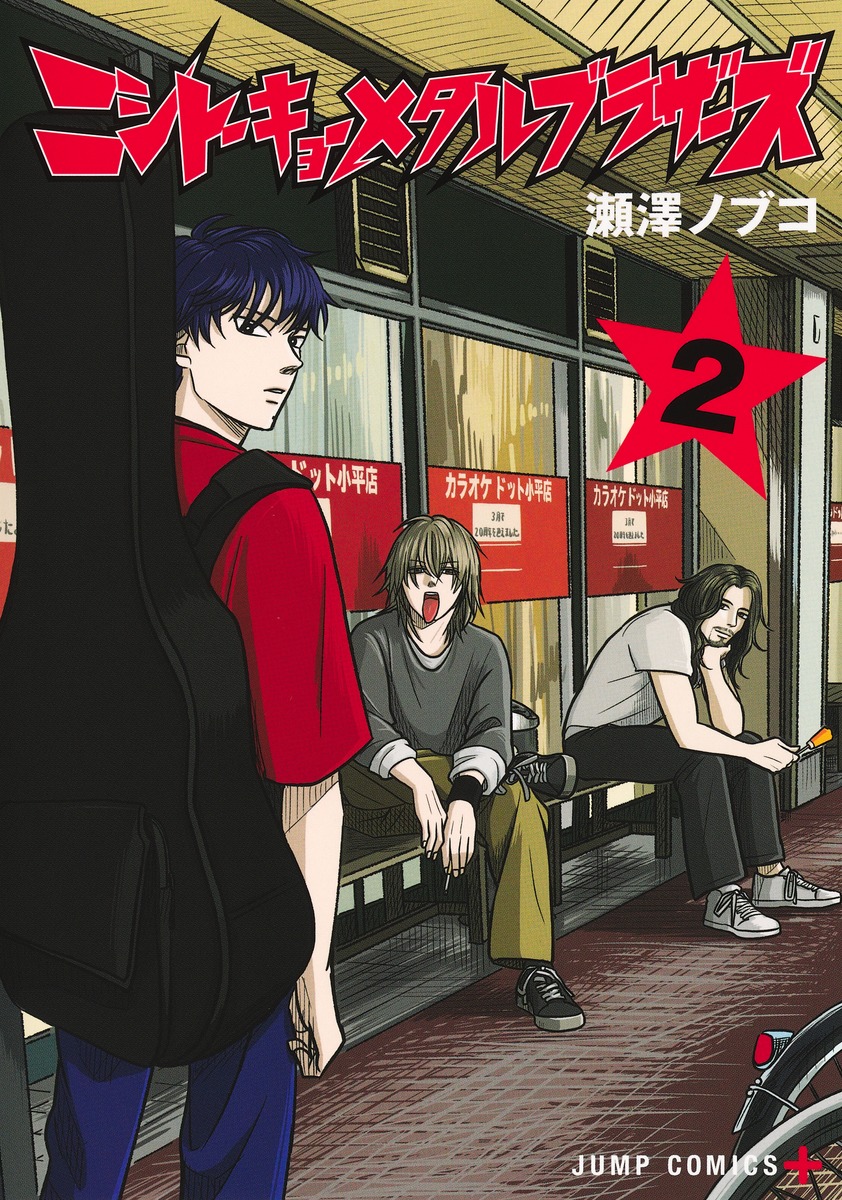
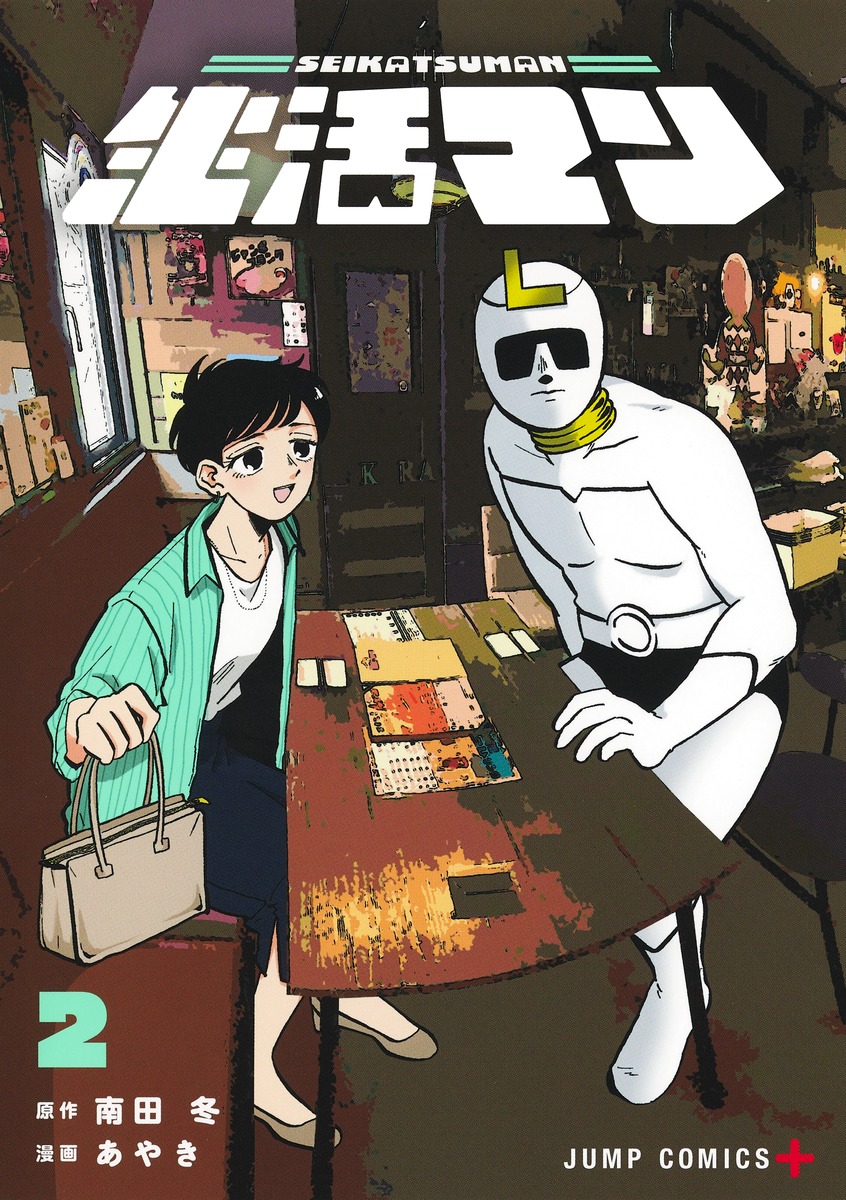
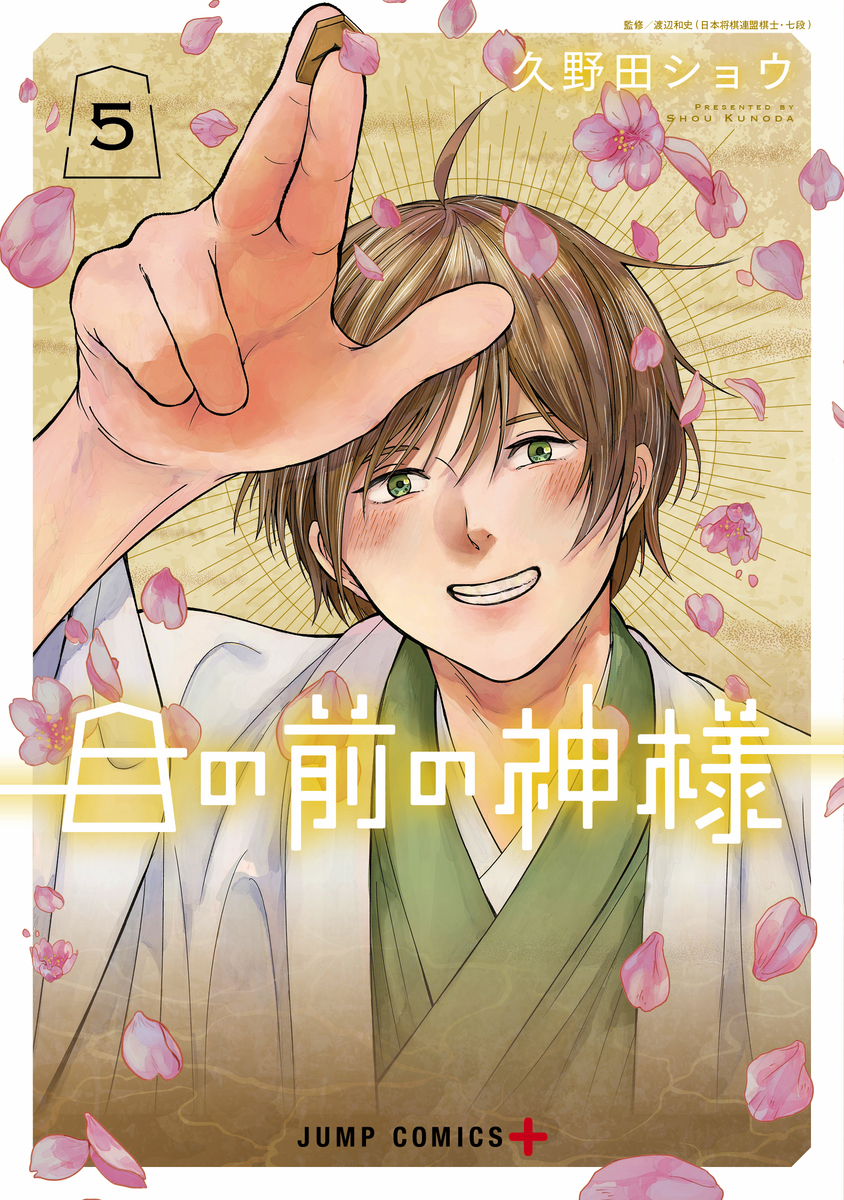
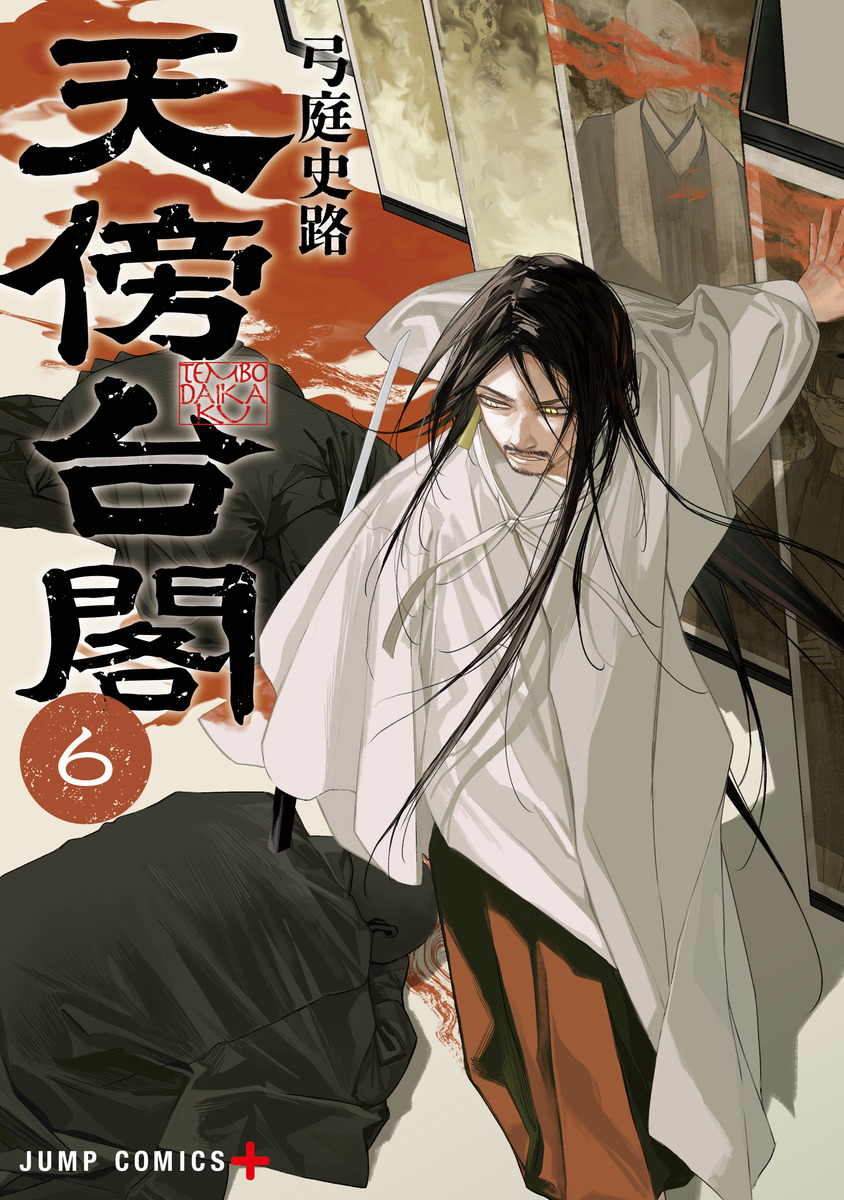
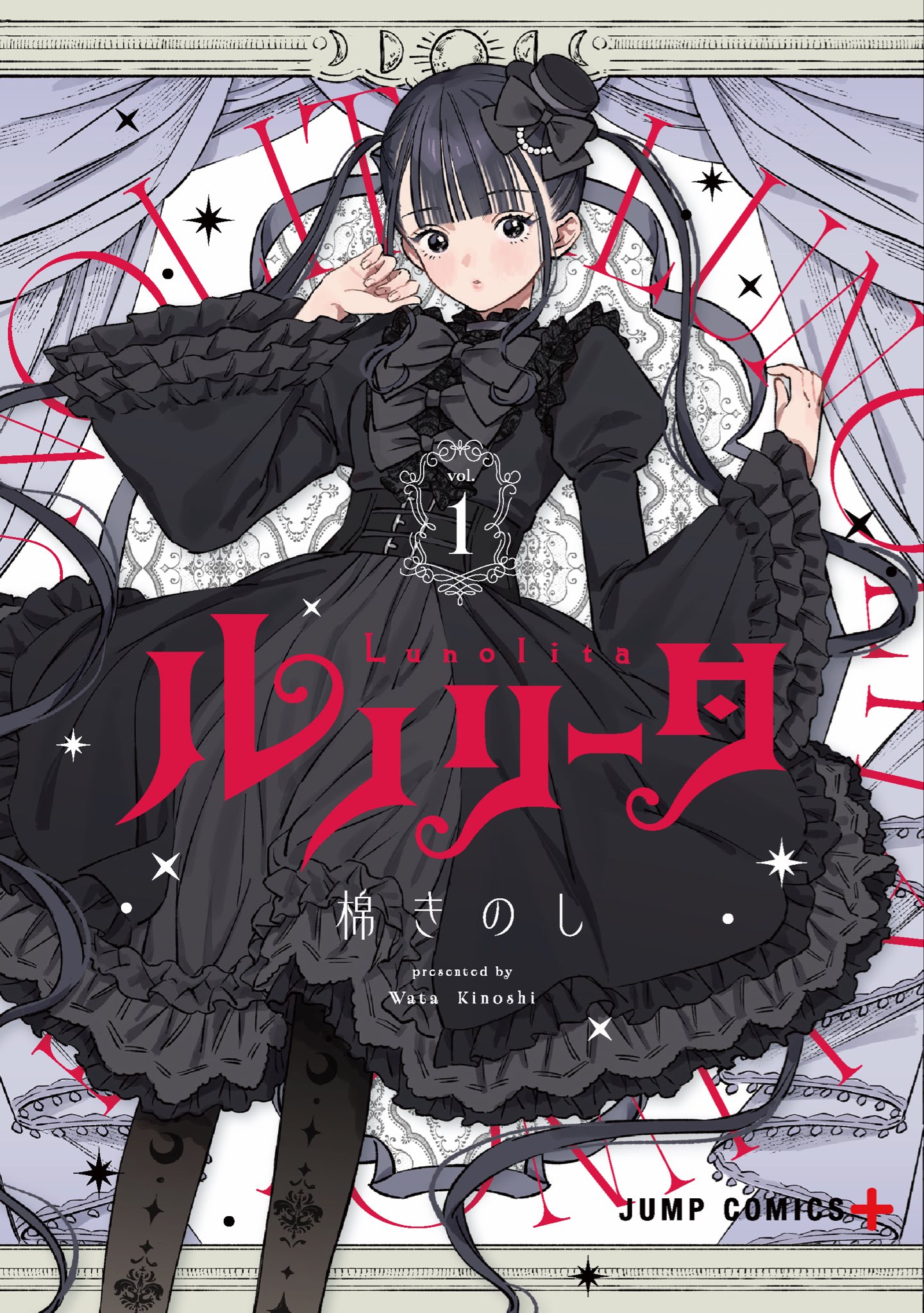
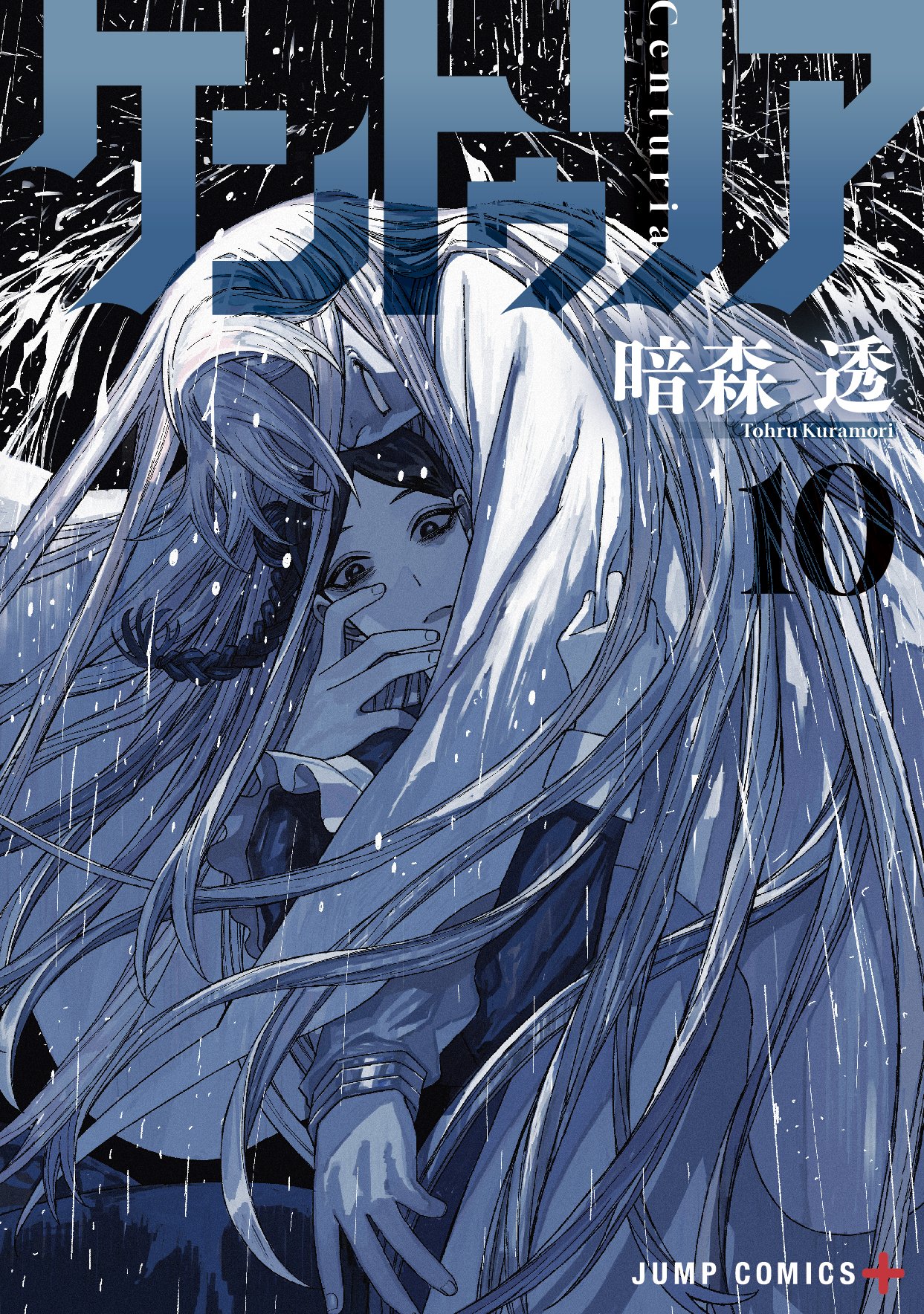
Few editors in the manga world are so revered. Shihei Lin, an exceptional editor trained at the legendary Shueisha, oversaw three of the decade's most significant titles: Chainsaw Man, Tatsuki Fujimoto's visceral and poetic saga that redefined the conventions of contemporary shōnen manga; Spy x Family, Tatsuya Endo's family masterpiece, translated worldwide and adapted into a hit anime; and Dandadan, Yukinobu Tatsu's cosmic and sentimental fantasy, whose obstacle-strewn path to publication exemplifies the profound impact a single editor can have on an author's career. Four series remain under his editorial purview at Jump+: Spy x Family, Dandadan, Witchriv, and Centuria—all living testaments to an editorial vision at the pinnacle of the contemporary industry.
Yet, at a time when his career at Shueisha could have propelled him to the heights of a prestigious but detached management hierarchy, Shihei Lin chose a different path. A radical one. Rather than trade his creative passion for a more managerial role, far removed from authors and their stories, he founded MIXGREEN: not simply a freelance editor position, but a true independent publishing company, conceived as a sanctuary for free creation, a place for curating and discovering authors. Green, the color of hope, aligns with the image of the publisher's green thumb, who, with the help of his team, intends to nurture the seeds of talent for the manga artists of tomorrow.
Dozens of rumors have been circulating since his departure from Shueisha. It was in Tokyo, at the premises of his young company, that Shihei Lin granted us an exclusive interview to explain everything and share his vision of the manga market, more globalized than ever.
You left Shueisha in 2022 to become a freelancer. Why did you make that choice?
Shihei Lin: The reason is quite simple: based on my performance, I was given successive promotions, but as you climb the ranks, you can no longer work as a field editor (tantō) in the same way. I left the company a little over a year after becoming deputy editor-in-chief.
I particularly enjoy the work of an editor because it involves staying close to the authors, talking with them about the stories they create and the characters they develop. I didn't want to lose that aspect of my work.
By founding MIXGREEN, it seems that you are going beyond the simple role of a freelance publisher?
Initially, MIXGREEN was born from a desire to continue personally overseeing the projects I was managing, such as Spy x Family, Dandadan, and Chainsaw Man. In a large corporation, it would have been difficult to maintain this level of involvement. That's the starting point of this adventure.
Once the company was established, it became possible to do more: benefit from the speed of a small organization, but also re-examine certain rules that exist within large groups simply because of their size. We can rethink them ourselves. This freedom, of course, comes with greater responsibility.
The internet has been buzzing since the announcement of MIXGREEN. Will you be publishing your own manga? How do you define the project?
We fully intend to become a publisher. We will create our own manga app, develop many new works, and carefully train young authors. My simple wish is that MIXGREEN will become, over the next ten or twenty years, a place where good works and good authors are born. For me, MIXGREEN must become the place where the great manga artists of tomorrow are born.
I don't think in terms of rivalry with Shueisha. I don't primarily ask myself if we should become very big. Above all, we want to become a company capable of doing good work for the authors who choose to create their works with us.
You mentioned supporting authors. What contractual and creative relationship does MIXGREEN intend to offer them?
When a work is created together, we grow it together. Then, we monitor and supervise what is created around its universe: animated adaptations, merchandise and other forms of exploitation.
After the successes of Chainsaw Man, Spy x Family, and Dandadan, do you feel any particular pressure regarding upcoming releases?
I wouldn't call it pressure, but rather a responsibility. I'm fortunate to receive very strong support from many authors, whether they're the creators of Spy x Family, Chainsaw Man, or other works. In return, I feel a responsibility towards them and towards everyone who places their trust in me.
What's your perspective on the Japanese publishing system?
I believe the industry is generally healthy. Global sales are growing. In Japan, however, the declining population will likely lead to a decrease in readership and ultimately manga sales. International growth, however, remains strong.
We're going through a period of transformation. It's not about discarding everything that's been built so far, but about preserving what matters while thinking more carefully about how to make works accessible to readers worldwide. Many players have already tackled this, but we've now reached a stage where this reflection needs to be conducted with greater precision.
Is MIXGREEN also interested in foreign authors?
Yes. We've received proposals from foreign authors and held discussions with some of them. But language and cultural barriers often prevented genuine editorial exchanges.
Since last year, and even more so this year, AI-powered translation tools have become useful enough to lower the first obstacle: the reading hurdle. Authors send us works translated by AI, and they're easier to read. But that's only the first step. The real challenge is the working meeting where we build a story together.
I think AI-powered simultaneous translation will become more reliable this year or next, which will facilitate discussions. But the cultural barrier will still remain. How can we create collaboratively, across different countries, bridging this gap? Hollywood studios and international companies have already done it by producing films and animated works with teams of diverse nationalities. Illumination, a French company, for example, collaborated with Nintendo on Super Mario.
I feel that manga, too, could become, within the next five years, an art form created together, transcending languages and cultures. I'm very keen on that. For now, we're mainly waiting for technological advancements.
So, could AI replace translators?
On the contrary, I think professional translators will inevitably survive. Nuance remains difficult to translate, and that's precisely where part of the narrative interest lies. AI should remain only an initial tool, not an end in itself.
When you meet a new author, how does this first interview go?
It all depends on how we meet and the work I've read beforehand. If I found the work interesting, I start by simply sharing my impression. Then, I ask why the author wanted to write it, what they hoped to express: we discuss their motivation.
If the work didn't convince me, I ask instead about the creative process. This isn't a negative approach. I'm trying to understand the path that led to the result, so that I can offer the most appropriate advice to correct or improve the project, if necessary.
Before Dandadan, Yukinobu Tatsu faced several rejections, particularly during the Jump SQ era. Is such a long development process still possible? Are major publishers taking fewer risks? Is this also what MIXGREEN aims to address?
It's not so much about large corporations as it is about building a strong editorial team. The projects that get off the ground depend on the people making the editorial decisions within each department.
Tatsu faced numerous rejections when he was at Jump SQ., a monthly magazine. At the very least, there was a divergence between that team's editorial policy and my own vision. When we later worked at Jump+, I didn't experience a comparable incompatibility.
But, in my experience, you never know how long a single team can build a media outlet. Since I founded my company, I haven't wanted to adopt a way of judging that I dislike. It's not about imposing my personal aesthetic. You have to have the courage to embrace new things.
I may be the leader, but even if I personally find a project boring or don't understand it, I want to give it a try when a discussion with younger colleagues reveals that it's worth pursuing. Based on my experience, I try not to repeat what I perceived as an unsatisfactory way of making decisions.
Does this mean that MIXGREEN will publish something other than shōnen: shōjo, seinen, josei, or works for adults?
When I worked at Jump SQ., I had the opportunity to work on works closer to seinen and shōjo. I've always had a taste for openness. At MIXGREEN, we want to go beyond just shōnen and consider a broader reading spectrum.
The line between works intended for minors and those for adults remains, of course, important. Works for adults allow authors greater freedom of expression, while also imposing certain precautions. But our ambition is not to limit ourselves to a single target audience.
Does the shift to digital erase the categories inherited from pre-publication magazines? Don't readers now come looking for a work of art rather than a label like shonen, shojo, or seinen?
Jump SQ. was a magazine, and the categories were obviously tied to that format. Yet, when I worked there, I didn't really feel like I was solely producing a shonen magazine.
I have an older brother and sister; as a child, I read shojo, shonen, seinen, as well as the magazines Morning and Afternoon, with great pleasure. Even today, I particularly appreciate Afternoon because it offers a wide range of sensibilities. I don't see it as a magazine confined to a specific genre, but rather as a magazine for manga lovers.
This is how we envision MIXGREEN. We often discuss this within the team: the target audience matters less than whether the work is interesting and whether it evokes emotion or pleasure in the reader. That's our central criterion.
Does digital publishing also allow us to break free from the obligation to publish every week? Can we imagine more flexible schedules—every two weeks, every ten days, without a fixed date—and variable page counts?
It's technically possible. Spy x Family has been published every two weeks since the beginning.
But the internet also forces us to live at the very fast pace of the contemporary world. We're competing for screen time with short videos, TikTok, and the abundance of entertainment. A weekly series attracts readers more easily; a monthly online publication makes it harder to win them over.
That's why I believe a weekly or bi-weekly schedule is probably necessary in the digital environment to publish and maintain content with its audience. Create a regular event that builds reader loyalty.
In the Shonen Jump system, a work must quickly gain traction. Will MIXGREEN offer more time to series that start slowly, especially those that patiently build their world?
Our publication hasn't even launched yet: we don't yet know exactly where the judgment should lie, nor what audience it will attract. It would therefore be dishonest to claim that everything is already decided.
However, I still believe that a well-considered series cancellation is a good system. Letting an author draw a work for a long time that doesn't sell and doesn't reach its readers is unfortunate for both the author and the audience. A rule for ending a work must be defined.
In the case of Weekly Shonen Jump, the system involves judging after three chapters, with a series potentially ending after a minimum of ten chapters. This sometimes seems harsh, but it also gives the author the opportunity to try something else. The maximum period a manga artist can draw without harming their health is probably around thirty years. Making them dedicate two, three, or four years to a work that isn't finding its audience isn't necessarily the right approach.
We therefore need to find figures and rules that authors, like ourselves, can agree on. We want to avoid asking an author to indefinitely continue a work that isn't successful. But the difficulty lies in identifying the right indicators: all media are still searching for the most suitable discontinuation cycle for their own model.
Jump+ itself has been searching for a way forward for a long time. In the early years, canceling series wasn't always easy, mainly because there weren't yet enough titles in the catalog. Our platform will likely face a similar situation: at launch, it won't be simple to discontinue titles one after another, because we need to ensure a substantial reading offering.
But once the number of series has increased, if we truly take authors seriously, we'll have to know when to end a series and explain why: "It's ending for these quantifiable reasons." I prefer that this decision not be emotional. It shouldn't depend solely on the opinion of an editor-in-chief saying, "I don't find this work interesting." It seems healthier to me to acknowledge that the work hasn't garnered public support.
How do you plan to measure this support? What metrics will you track: page views, reading time, completion rate, reactions, comments?
We plan to focus primarily on three elements: the number of pages read; the number of readers who complete a series; and, finally, positive feedback, in the form of a "thumbs up" rating. We don't intend to dwell excessively on comments.
You mentioned the difficulties Jump+ faced at its launch, when it lacked titles and one-shots. How many series will MIXGREEN launch with? And what number of one-shots are you aiming for?
We plan to start with about ten series and reach around twenty series by the end of the first year. For one-shots, we're aiming for between forty and fifty works per year.
Will the established authors you already represent, such as Tatsuya Endo and Yukinobu Tatsu, participate in the launch with one-shots or special projects?
Tatsuya Endo is currently chairing the jury for our first manga competition.
For my part, I currently have four ongoing series in Jump+: Spy x Family, Dandadan, Witchcriv, and Centuria. These series will continue to be published on Jump+.
However, our company will handle the supervision and production of their secondary uses, such as anime adaptations and merchandise. It's a somewhat unique arrangement.
As for the possibility of these authors drawing one-shots or creating something for MIXGREEN, the desire is there. But their ongoing series remain the absolute priority. If they have some time and flexibility, it's possible they might do something; however, it's not planned at this stage.
Have you also approached authors whose previous series have ended, particularly those who might be looking for a fresh start?
I can't say which authors will work with us, or when. But I've already spoken to several creators I know, saying, "Let's take on this challenge; can we imagine something together?"
When will the MIXGREEN app be launched? Will it only be available in Japanese? What will its business model be: free, rental, or subscription?
The launch date is not yet confirmed. However, I can tell you that the app will initially be offered in Japanese and designed for the Japanese audience. At the same time, we are finalizing an agreement with a global partner capable of selling the works internationally. Depending on the country, we will need to decide whether it's best to distribute the titles directly or entrust them to a local publisher.
Our partner will not be a publisher; We will therefore not be limited to a single publishing house. The precise strategy, particularly how certain works can be offered to different partners, is still under discussion. But we are looking for the best partner in each territory to widely distribute the works.
In Japan, the idea is to allow free reading of the first and most recent chapters. Abroad, subscriptions have become common practice. However, Japan has different consumption habits. Since our application is primarily designed for the Japanese market, the model will be: free initial reading, rental for rereading, and then the option to purchase volumes within the application. Japan is a country where readers buy a lot of digital books. Abroad, I get the impression that print remains more important, particularly in Europe. We therefore also want to ensure print publication outside of Japan.
Will the same publisher release all MIXGREEN titles in France, or do you plan to manage the rights title by title, perhaps through calls for tenders?
We still need to discuss this strategy. But we won't be working with a single publisher per country, as our partner isn't a publishing house itself. There may be competitive bidding mechanisms, but nothing is set in stone. In each country, we'll seek the most suitable partners to bring the works to readers.
What makes a good publisher today? Must they primarily know how to read, write, listen, negotiate, or produce?
A good publisher must first and foremost be able to hold genuine working meetings with authors and create a positive atmosphere for them: that they find writing enjoyable and want to continue writing.
Then, they must know how to take the work entrusted to them, promote it, introduce it to a wide readership, and distribute it worldwide. Today, we must add to that the ability to properly produce an animation project, to develop good derivative products and, in short, to stay as close as possible to the author and his work.
You recently hired a team, and you won't be able to do everything alone. What do you absolutely refuse to delegate: editorial meetings, reading storyboards, or managing relationships with authors?
I want to build a strong editorial team; to do that, I want to form a team to which I can delegate almost all tasks. Right now, I show my colleagues everything: my way of working, my way of thinking. I believe that, in the near future, some team members will be capable of doing comparable work.
I think a good editorial team benefits from bringing together several value systems. I don't want my vision alone to become the only correct answer, an absolute rule. I will probably continue to work directly as a manga editor for at least another ten years. During this time, I want to build a team of several editors close to my level, but with different skills and perspectives.
In time, there shouldn't be much left that I can't delegate. Today, the only challenge lies with the authors I've been working with for ten or twenty years: it would be difficult for someone joining later to immediately reach the same level of relationship. But Tatsuya Endo and other authors already have an assistant editor by their side. These collaborators need to earn a level of trust comparable to mine. We've been working this way for over two years; we're training them carefully so that, ultimately, nothing can be entrusted to others.
How many people are currently on the MIXGREEN editorial team? And what is the role of women on this team?
We are currently five on the team, including one woman. Before the launch, we plan to welcome two or three more people. We are currently considering the profiles and recruitment procedures.