Global Warming Impacts and Effects
Effects of Global Warming can already be seen
The IPCC's Third Assessment Report finds that in the last 40 years, the global average sea level has risen, ocean heat content has increased, and snow cover and ice extent have decreased, which threatens to inundate low-lying island nations and coastal regions throughout the world.
US Impacts
In October 2000, a United States Government report found that global climate change may harm the United States by altering crop yields, accelerating sea-level rise, and increasing the spread of tropical infectious diseases.
Predicted Impacts
* More Floods: "Projected adverse impacts based on models include . . . a widespread increase in the risk of flooding for human settlements (tens of millions of inhabitants in settlements studied) from both increased heavy precipitation events and sea level rise."
* Increased spread of infectious diseases: "an increase in the number of people exposed to vector borne diseases (e.g. cholera) and an increase in heat stress mortality."
* Degraded water quality: "Projected climate change will tend to degrade water quality through higher water temperatures and increased pollutant load from runoff and overflows of waste facilities."
* More frequent and more intense heat waves, droughts, and tropical cyclones: "The vulnerability of human societies and natural systems to climate extremes is demonstrated by the damage, hardship, and death caused by events such as droughts, floods, heat waves, avalanches, and storms."
Global Warming Impacts on the US
According to a 2001 report by the National Academy of Sciences, National Research Council, Climate Change Science Global Warming will impact the United States by causing:
* Great Lakes Water Level Decline
"Climate change is likely to reduce water levels in the Great Lakes and summertime river levels in the central US, thereby affecting navigation and general water supplies."
* Snowpack Decline
"It is very likely that as the climate warms, less precipitation will fall as snow, the existing snowpack will melt sooner and faster, the runoff will be shifted from late spring and summer to late winter and early spring."
* Increased Floods
"Climate change is likely to increase flood frequency and amplitude in some regions, with major impacts on infrastructure and emergency management."
* Abrupt Climate Change
A 2002 report by the National Academy of Sciences, National Research Council, also found that warming do to climate change and human activities "may increase the possibility of large, abrupt and unwelcome regional or global climate events." The NAS found that: "Recent scientific evidence shows that major and widespread climate changes have occurred with startling speed, roughly half of the North Atlantic warming since the last ice age was achieved in only a decade, and it was accompanied by significant climate changes across most of the globe."
In This Section
Introduction
Global Warming News
GLOBAL WARMING SCIENCE
Global Warming Causes
Global Warming Effects
Credible Science
GLOBAL WARMING POLICY
International, National & Local Policies
States Tackle Global Pollution from Cars
GLOBAL WARMING SOLUTIONS
You Can Make A Difference
sources -
www.net.org[br]
Posted on: January 24, 2007, 08:44:26 AM_________________________________________________Top 10 things you can do to help reduce global warming pollution
If your family did all of the items listed here, you could cut your own global warming pollution by more than 11,000 lbs per year!
10. Plant a couple of additional trees around your home.
Pollution reduction = 20 lbs/year
9. Next time you buy a refrigerator, purchase a high-efficiency model with the energy star logo.
Pollution reduction = 220 lbs/year
8. Buy food and other products with reusable or recyclable packaging.
Pollution reduction = 230 lbs/year
7. Next time you buy a washing machine, purchase a low-energy, low-water-use machine with the energy star logo.
Pollution reduction = 440 lbs/year
6. Install a solar thermal system to help provide your hot water.
Pollution reduction = 720 lbs/year
5. Recycle all of your home's waste newsprint, cardboard, glass and metal.
Pollution reduction = 850 lbs/year
4. If possible, leave your car at home two days a week. Take public transportation to work, school, or on errands instead.
Pollution reduction = 1,590 lbs/year
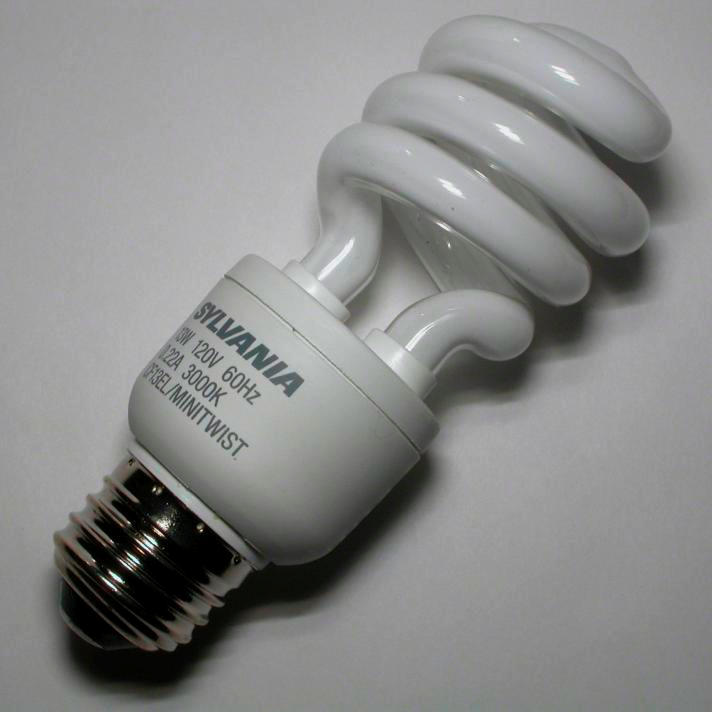
3. Replace two of the five most frequently used light bulbs in your home with compact fluorescent light bulbs.
Pollution reduction = 2300 lbs/year
2. Insulate your home, tune up your furnace, and install low-flow shower heads.
Pollution reduction = 2,480 lbs/year
and the #1 thing you can do,...
1. Next time you replace your most frequently used automobile, purchase a fuel-efficient car, rated up to 32 mpg or more.
Pollution reduction = 5,600 lbs/year
source: us environmental protection agency
www.net.org



 .
.